Blankets are a versatile layer of bedding used for warmth, comfort, and light coverage during sleep or rest. Their usefulness depends on factors such as material, weight, weave, and size. Understanding these characteristics can help distinguish blankets from sheets, pillows, mattress covers, and other bedding essentials.
Natural fibers, including wool and cotton, can offer different warmth and moisture-management properties, while synthetic fabrics may be lightweight and easy to care for. Blanket thickness and construction affect insulation and drape. These qualities matter when coordinating blankets with sheets and pillows for seasonal comfort and everyday use.
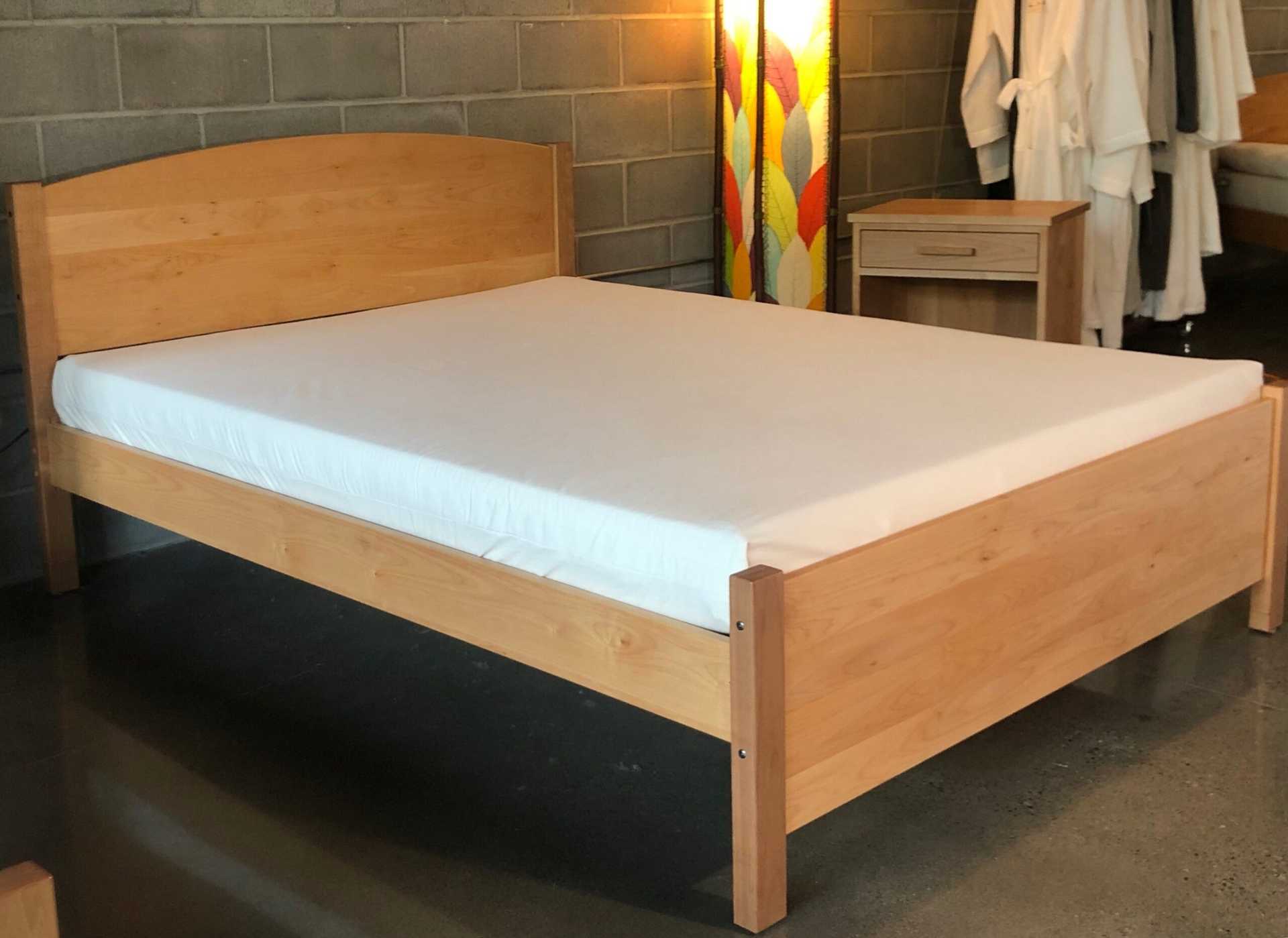
The Natural Wool & Latex Mattress 6.5 Inch is a related bedding product rather than a blanket. It combines wool and latex within a 6.5-inch mattress design, offering a supportive sleep surface and natural-material components. Knowing how a mattress differs from a blanket helps clarify each item’s role in a bedding setup.
Mattress materials can influence cushioning, support, and temperature feel, while blankets provide an adjustable layer above the sleeper. Organic mattresses and organic crib mattresses are other bedding terms that describe specific material or use considerations. Product details such as dimensions, construction, and care guidance help assess suitability for different sleep environments.
When evaluating bedding, consider how blankets work alongside a mattress, sheets, and pillows, as well as the sleeper’s warmth preferences and care needs. Wool may provide insulation, while latex contributes responsive cushioning in mattress construction. These distinctions make it easier to understand the function of each bedding component.
 Bedding